
Holland Community Theatre Mission and History
Holland Community Theatre encourages performing arts by producing theatre for the recreation and entertainment of the local community. The organization serves Holland, Michigan, and surrounding Ottawa County by presenting plays and musicals, offering educational programming, and creating spaces where residents connect through shared cultural experiences. Holland is known for its Tulip Time festival and a long tradition of community arts, which provides a strong civic context for the theatre's work.
The institution developed through volunteer leadership, artist partnerships, and local sponsorships. Over time the theatre became a hub that bridges amateur and emerging professional talent, engages youth through workshops and camps, and collaborates with local schools and colleges. The mission guides programming choices toward accessibility, artistic quality, and community relevance.
The role of local theatre in community building and benefits
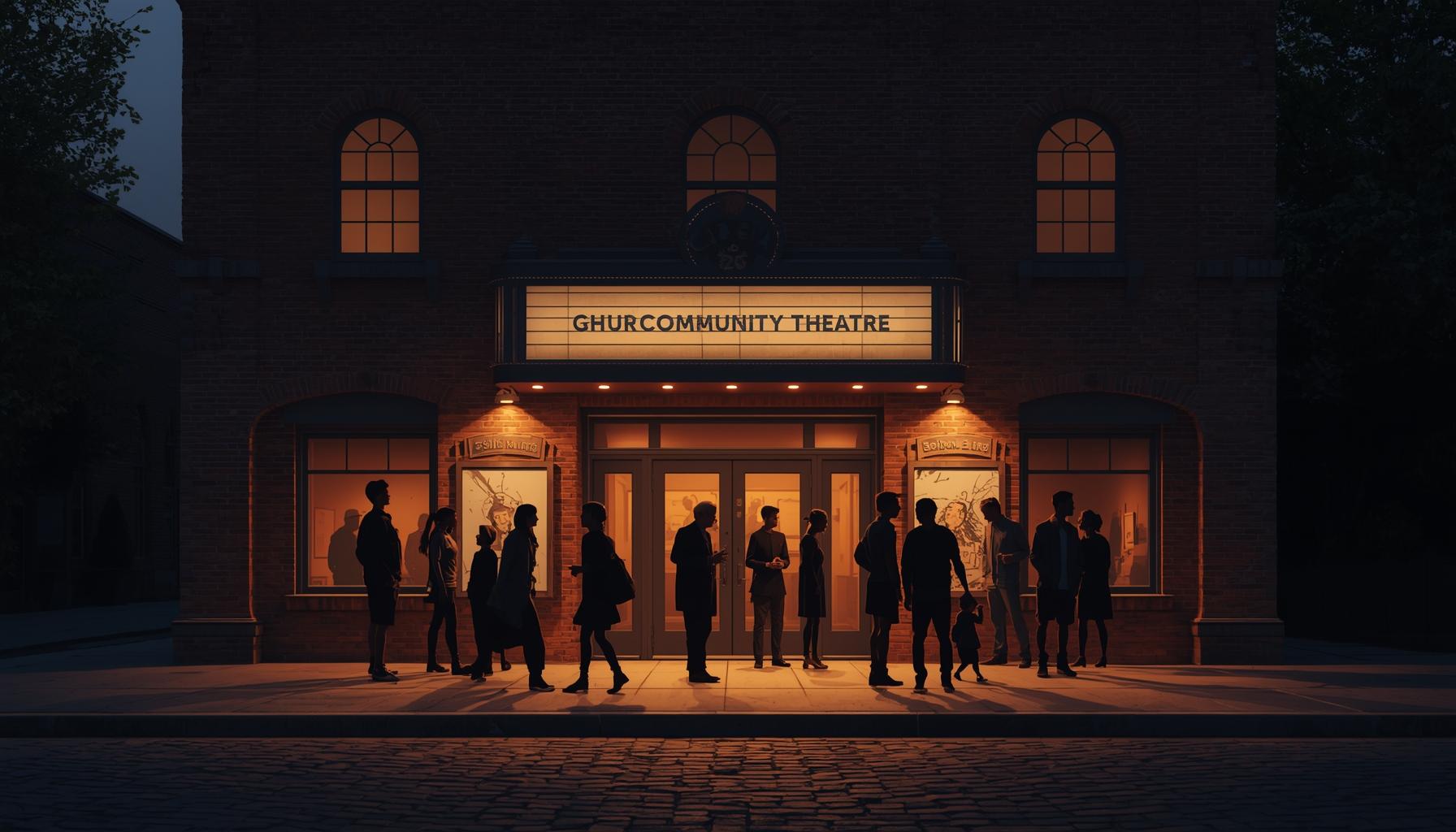
Local theatre anchors civic life by creating gathering opportunities that build social capital and local pride. Live performances draw diverse audiences across age groups and backgrounds and provide safe public space for dialogue and celebration. Economically, theatre contributes to the downtown economy by bringing patrons to restaurants and shops, especially during festival weekends such as Tulip Time when visitor traffic increases significantly. Social benefits include increased civic engagement, improved youth development through arts education, and enhanced volunteer networks that sustain other nonprofit activities.
Supporting Holland Community Theatre yields measurable outcomes: more youth served in classes, increased number of productions per season, and stronger pathways for local artists. Marketing and word of mouth remain essential; each satisfied audience member often brings two new attendees in subsequent seasons. Community partnerships amplify impact by sharing facilities, cross-promoting events, and building program pipelines between schools and local arts organizations.
Ways to support and participate actively
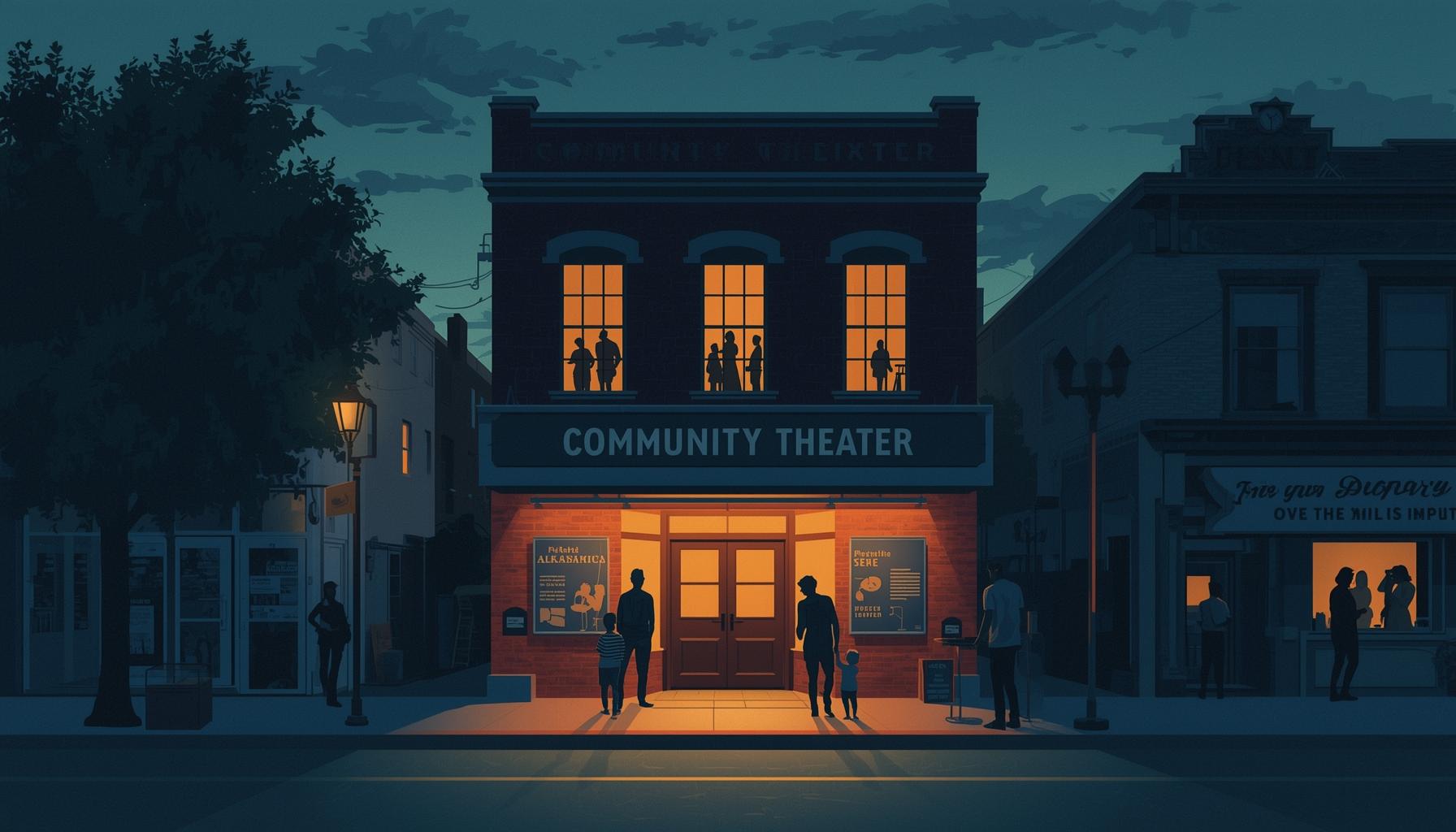
Attending performances provides immediate financial support through ticket revenue and helps secure future grant funding by demonstrating audience demand. Subscriptions and memberships stabilize season income and increase retention. Donations and sponsorships underwrite scholarships, set construction, and outreach events. Volunteers provide essential labor for front of house, stage crews, costumes, and administration.
Below is a clear breakdown of common giving levels, typical benefits, and estimated program impact to help potential supporters choose a meaningful way to contribute. This information helps translate financial support into concrete outcomes for youth, outreach, and production quality.
| Contribution level | Annual amount | Typical donor benefit | Program impact example |
|---|---|---|---|
| Supporter | $50–$149 | Name listed in season program; two priority single tickets | Supplies for one youth workshop |
| Patron | $150–$499 | Program recognition; two complimentary single tickets; early access | Materials and instructor fee for a small class |
| Sponsor | $500–$2,499 | Program recognition; four tickets; social media feature | Backdrop or costume funding for a production |
| Underwriter | $2,500–$9,999 | Title recognition for one production; eight tickets; lobby signage | Full production support or multi-session outreach |
| Benefactor | $10,000+ | Season recognition; VIP seating; private donor events | Endowment support or multi-year youth scholarship program |
Before the chart above, donors are encouraged to specify where funds should be directed, such as youth scholarships, technical upgrades, or outreach. After choosing a level, supporters receive a receipt for tax purposes and an annual impact report highlighting how contributions were used.
Volunteer roles include:
- front of house and box office support for performances;
- technical crew positions for lighting, sound, and set operations;
- costume and prop maintenance and sewing;
- outreach ambassadors who visit schools and community events.
Each role has orientation and training to ensure safety and quality. Volunteers often receive complimentary tickets and program recognition.
Education, outreach, youth initiatives, and partnerships
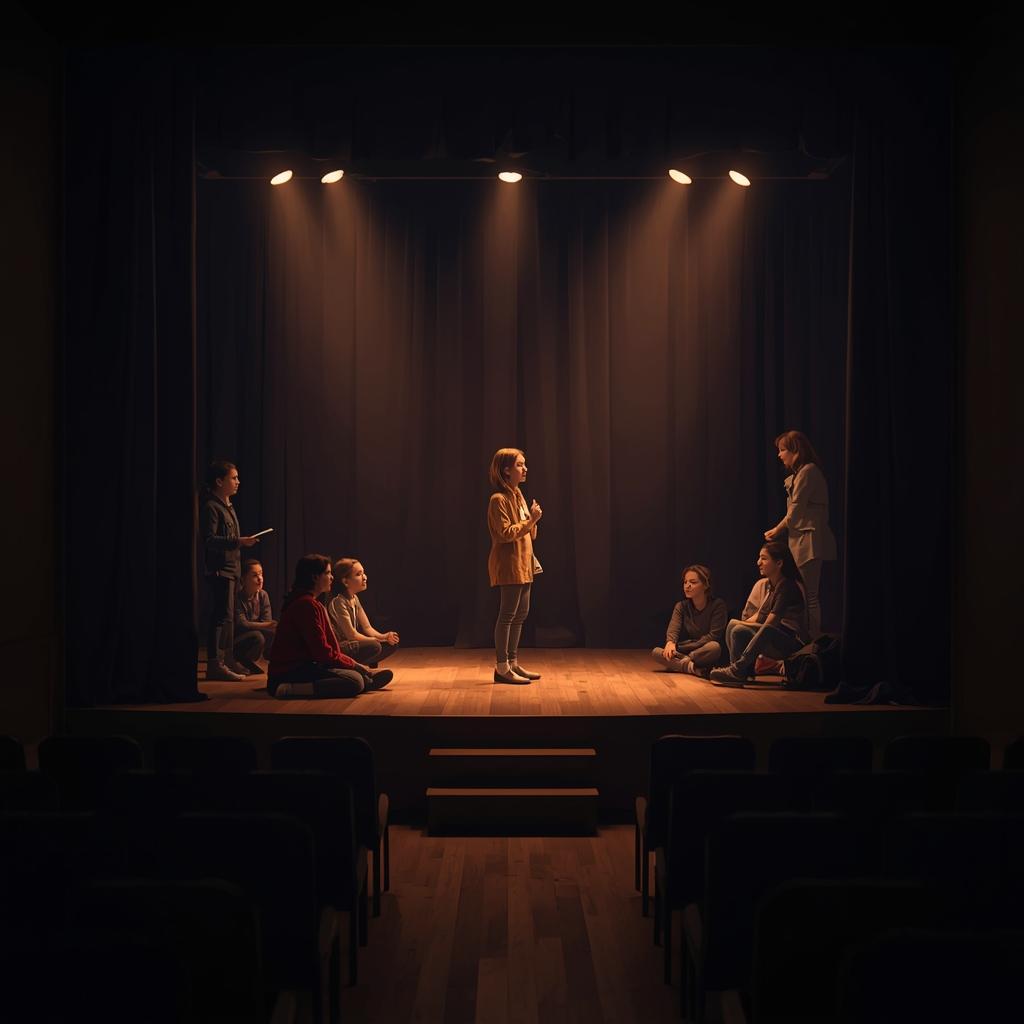
Educational programming focuses on seasonal youth classes, audition preparation, scene study, and backstage training. Emerging artist initiatives create paid and unpaid opportunities for interns and apprentices to learn design, direction, and management skills. Collaboration with Hope College, local public schools, Herrick District Library, and community centers expands reach by sharing resources and cross-registering participants for workshops.
Outreach programming targets underserved neighborhoods through low cost or no cost performances, in-school residencies, and pop-up performances during large civic events. Hosting community workshops cultivates new audiences and volunteers while providing hands-on arts experiences for residents of all ages.
Fundraising, governance, recognition, and impact measurement

Fundraising blends annual campaigns, production sponsorships, special events, and targeted capital appeals. Major events such as gala evenings, benefit performances, and community nights generate unrestricted revenue and visibility. Governance relies on a volunteer board that oversees strategic planning, budget approval, and fundraising stewardship. Becoming a board member or advisory participant requires a commitment to mission, attendance at regular meetings, and participation in fundraising efforts.
Measuring impact uses attendance figures, participant surveys, volunteer hours, program completion rates, and funds raised. Regular reporting to stakeholders includes season metrics, quotes from participants, and snapshots of community outcomes such as scholarship recipients advancing to further study or local alumni returning as guest artists. Donors and volunteers are recognized through program listings, lobby displays, donor receptions, and annual reports tailored to levels of support.
Practical steps to get involved today include purchasing tickets for an upcoming production, joining a membership level, signing up for volunteer orientation, or contacting the administration to discuss sponsorships or in-kind technical contributions. In-kind needs frequently include carpentry skills, costume sewing, audio and lighting equipment, and rehearsal space.
A number of success stories illustrate how combined community action produces tangible results. Partnerships have enabled students to move from beginner workshops to college theatre programs. Volunteer-run set shops have saved thousands of dollars in production costs while training new technicians. Sponsor-funded outreach has introduced theatre to neighborhoods that previously had no local arts programming. These outcomes demonstrate the multiplier effect when citizens, businesses, and institutions invest in community arts.
For immediate next steps, visit the Holland Community Theatre website, follow social channels for upcoming seasons, or contact the box office to learn about memberships, volunteer orientation dates, and current sponsorship opportunities. Active involvement converts civic goodwill into ongoing cultural vitality for Holland and the surrounding region.